Excellent 4.6 out of 5
Nutrients

Blood Testing for Vitamin K

Vitamin K blood testing evaluates your body’s vitamin K status. Vitamin K is a fat-soluble family of nutrients that we get mainly as K1 from leafy greens and plant oils (phylloquinone) and as K2 from animal and fermented foods and from gut bacteria (menaquinones). Available at 2,000+ lab locations and at-home (select states). See FAQs below

Vitamin K Blood Test — Get the Superpower Panel
Cancel anytime
HSA/FSA eligible
Results in a week
Physician reviewed

Every result is checked

·
CLIA-certified labs

Federal standard for testing

·
HIPAA compliant

Your data is 100% secure

Key Benefits

  • Check vitamin K status for healthy blood clotting and bone-building protein activation.
  • Spot early deficiency that causes easy bruising, gum bleeding, or prolonged cuts.
  • Clarify unexplained high INR or bleeding when not taking blood thinners.
  • Flag malabsorption risk from celiac disease, IBD, bariatric surgery, or cholestasis.
  • Guide safe warfarin and diet management by checking for vitamin K variability.
  • Support bone strength by clarifying vitamin K’s role in osteocalcin activation.
  • Track medication effects like antibiotics, bile acid binders, or orlistat on vitamin K.
  • Best interpreted with PT/INR, PIVKA-II, liver tests, and your symptoms.

What is a Vitamin K blood test?

Vitamin K blood testing evaluates your body’s vitamin K status. Vitamin K is a fat-soluble family of nutrients that we get mainly as K1 from leafy greens and plant oils (phylloquinone) and as K2 from animal and fermented foods and from gut bacteria (menaquinones). After absorption with dietary fat, vitamin K travels in the bloodstream with lipoproteins and is stored and used in the liver and other tissues.

Vitamin K’s core job is to help “activate” certain proteins by adding a specific chemical tag (gamma-carboxylation). This switch turns on key blood-clotting factors (II, VII, IX, X) and natural anticoagulants (proteins C and S), and it also enables proteins that manage calcium in bone and soft tissues, such as osteocalcin and matrix Gla protein. A vitamin K blood test therefore reflects the body’s supply of vitamin K available for these activation steps and, by extension, the readiness of clotting and calcium-handling systems to function properly.

Why is a Vitamin K blood test important?

A vitamin K blood test gauges your supply of a fat‑soluble vitamin that activates clotting factors and calcification‑controlling proteins. It integrates nutrition, gut absorption, and liver function, signaling how safely you form clots while maintaining bone and vascular health.

Labs measure vitamin K1 or functional markers. There’s no single universal range; mid‑range values, with a normal PT/INR, usually indicate adequate status rather than living at the low edge.

When values are low, the liver cannot fully gamma‑carboxylate clotting factors (II, VII, IX, X) and proteins C/S. Blood clots more slowly, causing easy bruising, gum or nose bleeding, heavy periods, or blood in stool. Bone proteins stay undercarboxylated, weakening bone quality; arteries lose matrix Gla protein activity, favoring calcification. Risks rise with fat‑malabsorption, prolonged antibiotics, liver disease, and in pregnancy and especially newborns, where deficiency can cause dangerous bleeding.

Higher results usually reflect recent diet or supplements; toxicity is rare. In people taking warfarin, abundant vitamin K counteracts the drug, lowering the INR and shifting risk toward clotting. Liver disease may show normal vitamin K with impaired clotting because the liver cannot make the proteins, so functional tests can clarify context.

Big picture: vitamin K status links diet, microbiome, bile‑mediated absorption, and hepatic protein synthesis with skeletal strength and vascular flexibility. Persistent inadequacy is associated with fractures and arterial calcification; excess chiefly matters for those on vitamin K antagonists.

What insights will I get?

A Vitamin K blood test typically measures circulating phylloquinone (vitamin K1), the fat‑soluble vitamin the liver and other tissues use to activate proteins by gamma‑carboxylation. Adequate availability supports stable blood clotting, bone mineralization (osteocalcin), and protection against arterial calcification (matrix Gla protein), linking it to cardiovascular integrity and skeletal health.

Low values usually reflect too little intake or poor absorption of fat, reduced bile flow, or interference with vitamin K recycling (e.g., warfarin). Physiology shifts toward undercarboxylated clotting factors II, VII, IX, and X and proteins C and S, which shows up as easy bruising or bleeding. Over time, undercarboxylated osteocalcin and matrix Gla protein can weaken bone and permit vascular calcification. Newborns and late pregnancy are higher‑risk states for deficiency‑related bleeding.

Being in range suggests adequate activation of vitamin K–dependent proteins in liver and extrahepatic tissues, with stable hemostasis, balanced bone remodeling, and vascular maintenance. For most labs, fasting, mid‑range values align with steady physiologic status.

High values usually reflect recent supplementation or a fat‑containing meal, since plasma vitamin K rises postprandially. Phylloquinone and menaquinones rarely cause toxicity, and elevated levels do not typically produce hypercoagulability. Marked elevations can also reflect lipemia or assay interference.

Notes: Plasma vitamin K fluctuates with recent diet, fasting status, and lipid levels, and may not mirror tissue status. Liver disease, fat‑malabsorption, antibiotics, anticonvulsants, pregnancy, and assay method influence interpretation. Functional markers (PT/INR, PIVKA‑II) are often used alongside direct vitamin K measurements.


Superpower also tests for

See more blood diseases

Frequently Asked Questions About

What is vitamin K and why is it important for health?

Vitamin K is a family of fat-soluble vitamins, including vitamin K1 (phylloquinone) from leafy greens and plant oils, and vitamin K2 (menaquinones) from fermented foods, animal products, and gut bacteria. Vitamin K is essential for activating proteins that control blood clotting, bone mineralization, and calcium regulation in blood vessels. It enables the body to stop bleeding after injury, supports strong bones by activating osteocalcin, and is studied for its potential effects on calcium buildup in arteries through matrix Gla protein. Adequate vitamin K status is crucial for normal hemostasis, bone strength, and vascular health.

How does vitamin K deficiency affect blood clotting and bone health?

Vitamin K deficiency leads to under-activation of clotting factors, resulting in easy bruising, gum or nosebleeds, heavy menstrual bleeding, or prolonged bleeding after injury. Laboratory tests may show a high INR or prolonged PT. In bones, deficiency causes higher levels of undercarboxylated osteocalcin, reducing bone mineralization and increasing fracture risk. Deficiency also impairs matrix Gla protein, raising the risk of arterial calcification. Groups at higher risk include those with fat malabsorption, liver disease, prolonged antibiotic use, older adults, and newborns.

What are the main sources of vitamin K1 and K2 in the diet?

Vitamin K1 (phylloquinone) is primarily found in leafy green vegetables such as spinach, kale, and broccoli, as well as in plant oils. Vitamin K2 (menaquinones) is present in fermented foods like natto, some cheeses, and animal products such as egg yolks and liver. Additionally, gut bacteria produce small amounts of K2. A balanced diet with plenty of leafy greens and some fermented or animal foods helps maintain within reference ranges vitamin K status.

How is vitamin K status measured and interpreted in clinical practice?

Vitamin K status is assessed using serum vitamin K levels and functional markers like INR, PIVKA-II (des-γ-carboxy prothrombin), and undercarboxylated osteocalcin. Normal vitamin K status is indicated by a standard INR, low PIVKA-II, and low undercarboxylated osteocalcin, with serum levels in the mid-range. Results should be interpreted alongside liver function tests, medications, and bleeding symptoms, as well as factors like recent food intake and triglyceride levels.

What conditions or medications can increase the risk of vitamin K deficiency?

Conditions that impair fat absorption, such as chronic gastrointestinal or liver disease, bile or pancreatic insufficiency, and use of fat-blocking agents or bile acid binders, can reduce vitamin K absorption. Prolonged use of broad-spectrum antibiotics disrupts gut bacteria that produce vitamin K2. Newborns are at high risk due to low stores and limited placental transfer. Vitamin K antagonist medications (e.g., warfarin) also interfere with vitamin K activity, increasing bleeding risk.

What states are Superpower’s at-home blood testing available in?

Superpower currently offers at-home blood testing in the following states: Alabama, Arizona, California, Colorado, Connecticut, Delaware, District of Columbia, Florida, Georgia, Idaho, Illinois, Indiana, Kansas, Maine, Maryland, Massachusetts, Michigan, Minnesota, Missouri, Montana, Nebraska, Nevada, New Hampshire, New Jersey, New Mexico, New York, North Carolina, Ohio, Oklahoma, Oregon, Pennsylvania, South Carolina, Tennessee, Texas, Utah, Vermont, Virginia, Washington, West Virginia, and Wisconsin.

We’re actively expanding nationwide, with new states being added regularly. If your state isn’t listed yet, stay tuned.

What are the signs and symptoms of low vitamin K levels?

Common signs of vitamin K deficiency include easy bruising, frequent nosebleeds, bleeding gums, heavy menstrual bleeding, and prolonged bleeding after injury or surgery. Laboratory findings may show a high INR or prolonged PT. Over time, deficiency can lead to weaker bones, increased fracture risk, and higher likelihood of arterial calcification. In newborns, deficiency can cause severe bleeding, known as vitamin K deficiency bleeding (VKDB).

Can you have too much vitamin K, and is it toxic?

High vitamin K levels are uncommon and usually reflect recent dietary intake or supplementation. There is no established toxicity for vitamin K1 or K2 in healthy individuals. However, excessive vitamin K can counteract the effects of vitamin K antagonist anticoagulants (like warfarin), lowering INR and increasing clotting risk. Routine high intake from food or supplements is generally safe unless you are on anticoagulant therapy.

How does vitamin K interact with blood thinners like warfarin?

Vitamin K directly opposes the action of vitamin K antagonist anticoagulants such as warfarin. High vitamin K intake or supplementation can lower INR, making blood clot faster and reducing the effectiveness of these medications. Patients on warfarin should maintain consistent vitamin K intake and consult their healthcare provider before making dietary changes or taking supplements to avoid fluctuations in clotting control.

What factors can affect the accuracy of vitamin K testing?

Vitamin K test results can vary based on the assay used and the form measured (K1 vs K2). Post-meal (non-fasting) samples may show higher levels due to vitamin K’s fat-soluble nature and transport with lipoproteins. Triglyceride levels, use of bile acid binders or fat-blocking agents, liver disease, pregnancy, and newborn status can all influence interpretation. Functional assays, such as PIVKA-II and undercarboxylated osteocalcin, provide important context for circulating vitamin K levels.

How it works

1

Test your whole body

Get a comprehensive blood draw at one of our 2,000+ partner labs or from the comfort of your own home.

2

An Actionable Plan

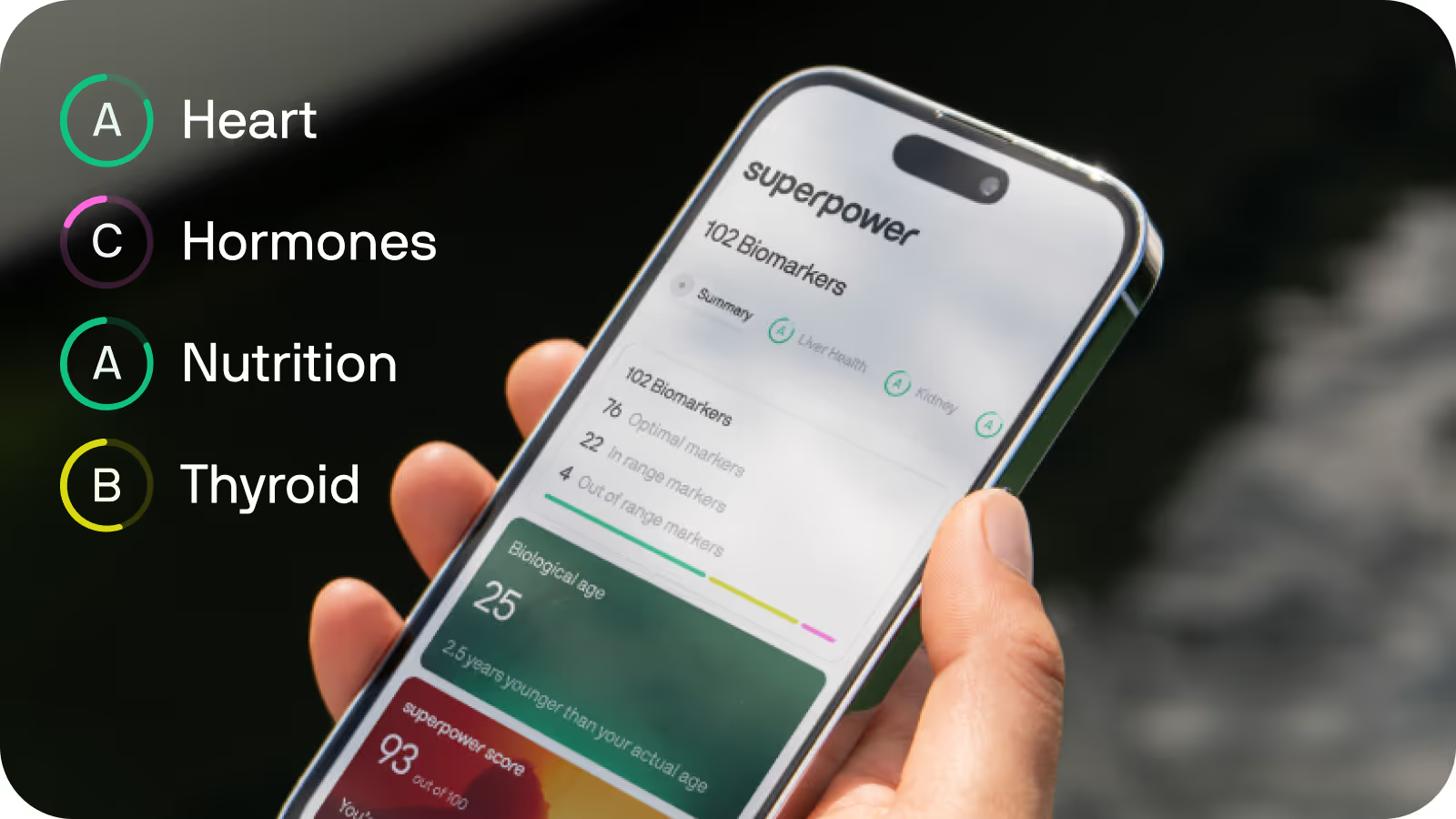
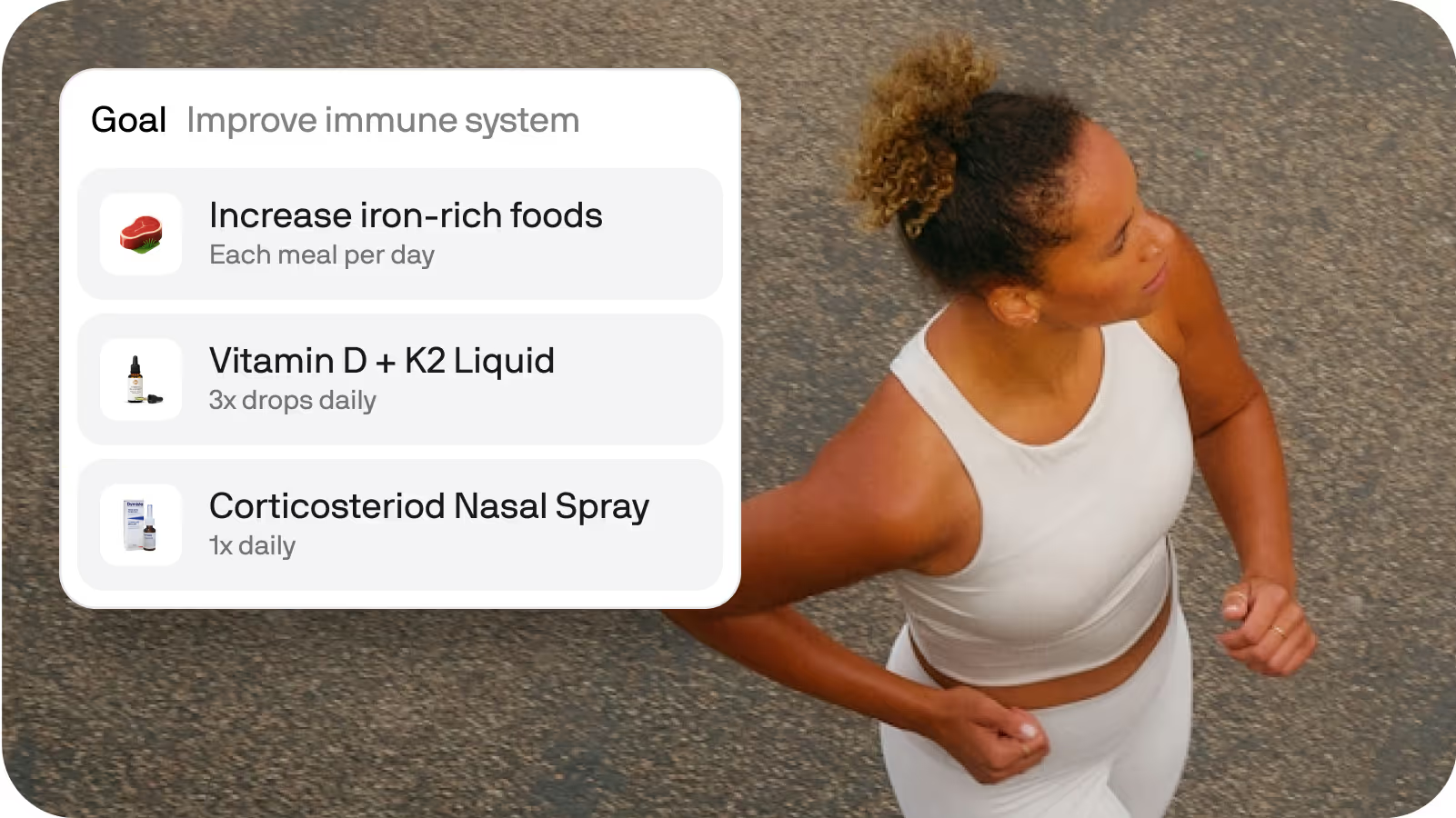
Easy to understand results & a clear action plan with tailored recommendations on diet, lifestyle changes, supplements and pharmaceuticals.

3

A Connected Ecosystem

You can book additional diagnostics, buy curated supplements for 20% off & pharmaceuticals within your Superpower dashboard.

Superpower tests more than 
100+ biomarkers & common symptoms

Developed by world-class medical professionals

Supported by the world’s top longevity clinicians and MDs.

Dr Anant Vinjamoori

Superpower Chief Longevity Officer, Harvard MD & MBA

A smiling woman wearing a white coat and stethoscope poses for a portrait.

Dr Leigh Erin Connealy

Clinician & Founder of The Centre for New Medicine

Man in a black medical scrub top smiling at the camera.

Dr Abe Malkin

Founder & Medical Director of Concierge MD

Dr Robert Lufkin

UCLA Medical Professor, NYT Bestselling Author

Your membership

Select your assessment level

Superpower provides the most advanced health check with a plan that works. Go far beyond your annual physical.

Panels designed by

world class clinicians

2,000+ lab locations

across the country

Baseline

$199/yr

100+ biomarker blood test

Performance

Recommended

$365/yr

115+ biomarker blood test

60 biomarker follow-up retest

Complete

$649/yr

115+ biomarker blood test

60 biomarker follow-up retest

Gut microbiome analysis

Organ age breakdown

Get started
Loading...
HSA/ FSA eligible · Secure checkout

Baseline

$199

per year

Covers your metabolic, hormonal and cardiovascular baseline. The best basis for a single snapshot of your overall health.

What's included

Test Breakdown

These are the panels offered in the tiers above

100+ biomarker blood test

Heart & Vascular Health

20 markers

ApoB, LDL-Cholesterol, Triglycerides

Sex Hormones

8 markers

Testosterone, Estradiol, DHEA-S, Cortisol

Metabolic Health

7 markers

Glucose, HbA1c

Thyroid Health

4 markers

TSH, T3 Uptake, Free T4, T4 Total

Liver Health

13 markers

ALT, AST, GGT, Bilirubin

Nutrients

12 markers

Vitamin D, Total Protein, Hemoglobin

Immune System

16 markers

White blood cells, Neutrophils, Lymphocytes

Energy

5 markers

Ferritin, Iron, Cortisol

Kidney Health

9 markers

Creatinine, eGFR, Potassium, Sodium

See full list →

+21 additional

Included with every assessment

17 health areas developed by world class clinicians

Personalized clinical protocol

On-demand messaging with your care team

20% off superpower marketplace

Member pricing on add-on tests, supplements & RX

Upload past labs & wearable data for tracking

Superpower AI — a world class system trained on you

Complete

$649

per year

Normally $703 (save 8%)

Adds gut microbiome analysis and organ age surfacing, what standard blood panels may miss across energy, digestion, and immunity.

What's included

Test Breakdown

These are the panels offered in the tiers above

115+ biomarker blood test

Heart & Vascular Health

20 markers

ApoB, LDL-Cholesterol, Triglycerides, Lipoprotein(a)

Sex Hormones

11 markers

Testosterone, Estradiol, DHEA-S, Cortisol, PSA, FSH, LH, AMH

Metabolic Health

7 markers

Glucose, HbA1c, Insulin

Thyroid Health

4 markers

TSH, T3 Uptake, Free T4, T4 Total

Liver Health

8 markers

ALT, AST, GGT, Bilirubin

Nutrients

12 markers

Vitamin D, Total Protein, Hemoglobin

Immune System

16 markers

White blood cells, Neutrophils, Lymphocytes

Energy

5 markers

Ferritin, Iron, Cortisol

Kidney Health

24 markers

Creatinine, eGFR, Potassium, Urinary pH, RBC Urine, Nitrites

DNA Health

3 markers

Homocysteine, B12, Folate

Inflammation

3 markers

hs-CRP, Systemic Immune-Inflammation Index

See full list →

+8 additional

60 biomarker follow-up retest

Retesting panel

100 markers

Complete second draw — 60 biomarkers retested for longitudinal tracking.
Most biomarkers can move significantly within 3–6 months if you're actively trying to fix them.

Gut microbiome analysis

$239

Gut microbiome

300+ data points

Profiles 300 bacterial strains in your gut to map your microbial balance.
Identifies dysbiosis that may be driving symptoms like bloating, irregular digestion, skin issues, and mood changes, with actionable guidance on diet and lifestyle shifts to help restore balance.

Organ age breakdown

$99

OrganAge is the most detailed biological age test available today. Rather than showing a single number, it reveals how old each of your body's nine key systems is

Organ age breakdown

10 key systems

Circulatory, digestive, genitourinary, infectious, mental, metabolic, musculoskeletal, nervous, respiratory and systemic ages based on cutting edge longevity research

Included with every assessment

17 health areas developed by world class clinicians

Personalized clinical protocol

On-demand messaging with your care team

20% off superpower marketplace

Member pricing on add-on tests, supplements & RX

Upload past labs & wearable data for tracking

Superpower AI — a world class system trained on you

Get started
Loading...
HSA/ FSA eligible · Secure checkout

Finally, healthcare that looks at the whole you